

Providing you with a one-stop, customized service for all types of cables.
CONTACT
TEL: +86-319-5986999
Phone:+86-15833709658
Email:602992806@qq.com
Address: No. 8 Simahuilong Street, Ningjin, Hebei
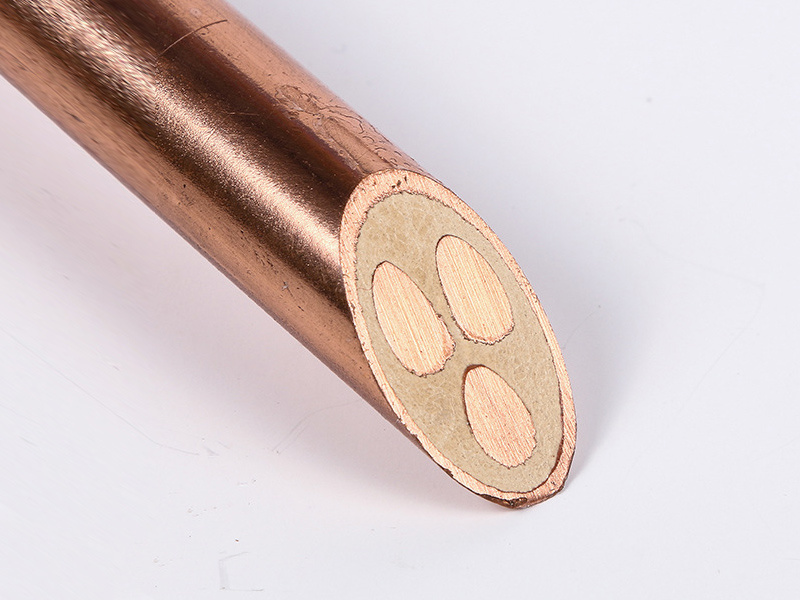
BTTZ cables, known domestically as fire‑resistant cables, have been manufactured on a dedicated production line that enables the company to produce magnesium oxide‑insulated cables in extended lengths—up to 1,000 meters per conductor, compared with the traditional limit of 50–100 meters. This capability effectively addresses the drawbacks associated with short cable lengths and numerous splices, significantly reducing project investment costs, accelerating installation, and ensuring reliable, stable performance.
View details
View More
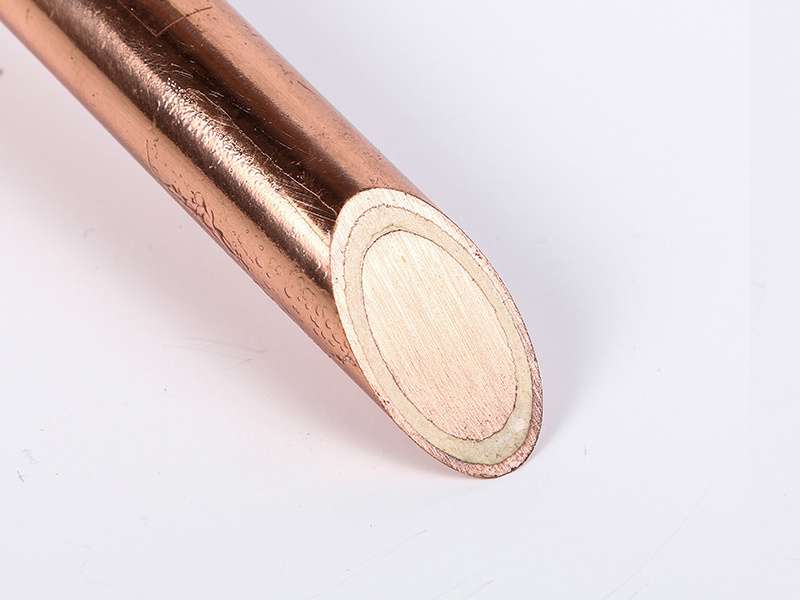
BTTZ cables, known domestically as fire‑resistant cables, have been manufactured on a dedicated production line that enables the company to produce magnesium oxide‑based cables in extended lengths—up to 1,000 meters per conductor, compared with the traditional limit of 50–100 meters. This capability effectively addresses the drawbacks associated with short cable lengths and numerous splices, significantly reducing project investment costs, accelerating installation, and ensuring reliable, stable performance.
View details
View More
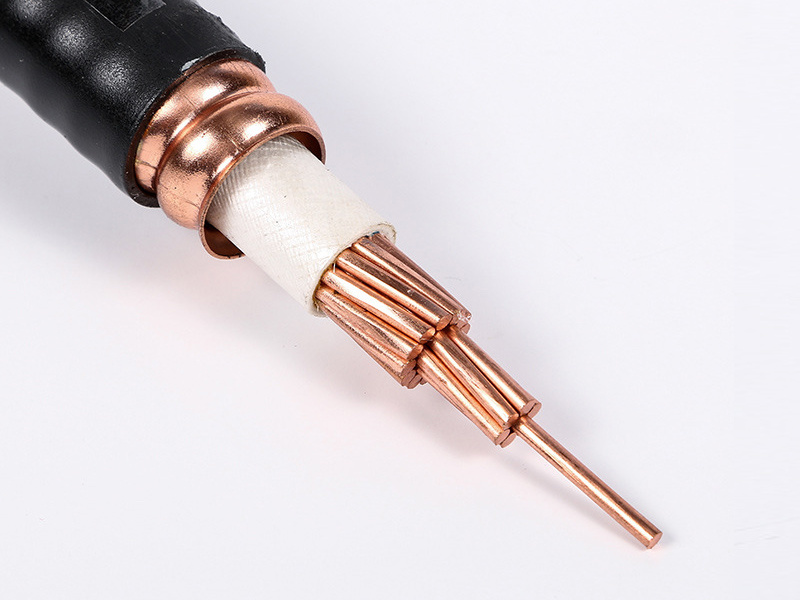
Flexible fire-resistant cableA
This standard is primarily based on GB/T 12706.1-2020, “Extruded Insulated Power Cables and Accessories for Rated Voltages from 1 kV (Um = 1.2 kV) to 35 kV (Um = 40.5 kV)—Part 1: Cables for Rated Voltages of 1 kV (Um = 1.2 kV) and 3 kV (Um = 3.6 kV),” as well as GB/T 19666-2019, “General Requirements for Flame‑Retardant and Fire‑Resistant Wires and Cables,” among other relevant standards. This product is intended for critical electrical engineering applications, including hazardous areas such as airports, oil depots, liquefied gas stations, chemical plants, coal mines, (nuclear) power stations, steel mills, and shipbuilding facilities; advanced and essential public infrastructure, such as satellite earth stations, railway wiring systems, alarm systems, and fire‑protection systems; and environments where the safety of persons and property must be ensured, including historic buildings, hotels and guesthouses, high‑rise structures, museums, libraries, banks, hospitals, insurance institutions, shopping malls, and research institutes.
View details
View More
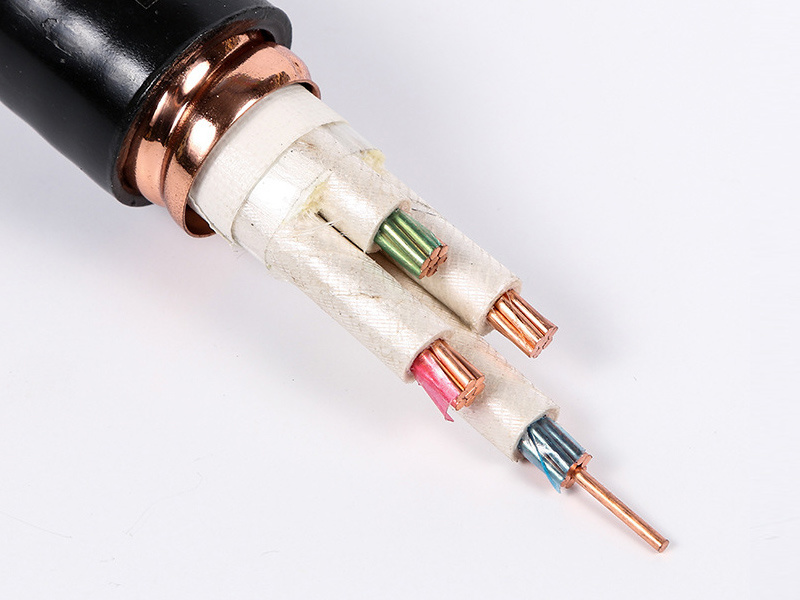
Flexible fire-resistant cableB
This standard is primarily based on GB/T 12706.1-2020, "Extruded Insulated Power Cables and Accessories for Rated Voltages from 1 kV (Um = 1.2 kV) to 35 kV (Um = 40.5 kV), Part 1: Cables for Rated Voltages of 1 kV (Um = 1.2 kV) and 3 kV (Um = 3.6 kV)," as well as GB/T 19666-2019, "General Rules for Flame-Retardant and Fire-Resistant Wires and Cables," among other relevant standards. This product is intended for critical electrical engineering applications, including hazardous areas such as airports, oil depots, liquefied gas stations, chemical plants, coal mines, nuclear power stations, steel mills, and shipyards; advanced and essential public facilities like satellite ground stations, railway wiring systems, alarm systems, and fire protection systems; and locations where personal and property safety must be ensured, such as historic buildings, hotels, high-rise structures, museums, libraries, banks, hospitals, insurance companies, shopping malls, and research institutions.
Product Models and Nomenclature
Model
Name
YTTW
Copper-Conductor Corrugated Copper-Sheathed Inorganic Mineral Insulated Flexible Fire‑Resistant Cable
YTTWV
Copper-Conductor Corrugated Copper-Sheathed Inorganic Mineral Insulated Polyvinyl Chloride Sheathed Flexible Fire‑Resistant Cable
YTTWY
Copper-Conductor Corrugated Copper-Sheathed Inorganic Mineral Insulated Polyolefin Anti‑Corrosion Outer Sheath Flexible Fire‑Resistant Cable
Product Specifications
Model
Rated Voltage
Number of Cores
Nominal Cross‑Sectional Area/mm²
YTTW
YTTWV
YTTWY
450/750 V
0.6/1 kV
1
1.0–630
2
1.0–300
3
1.0–240
4
1.0–185
3+1
3×16+1×10
3×25+1×16
3×35+1×16
3×50+1×25
3×70+1×35
3×95+1×50
3×120+1×70
3×150+1×70
3×185+1×95
3×240+1×120
3+2
3×25+2×16
3×35+2×16
3×50+2×25
3×70+2×35
4+1
4×16+1×10
4×25+1×16
4×35+1×16
4×50+1×25
4×70+1×35
5–7
1.0–4.0
12–37
1.0–2.5
Nominal Thickness of the Copper Sheath
Nominal Cross‑Sectional Area/mm²
Nominal Thickness of Copper Sheath/mm
1 Core
2 Cores
3 Cores
4 Cores
5 Cores
7 Cores
12 Cores
19 Cores
24 Cores
30 Cores
37 Cores
1.0
0.4
0.4
0.4
0.4
0.45
0.45
0.4
0.4
0.4
0.4
0.4
1.5
0.4
0.4
0.4
0.4
0.45
0.45
0.4
0.4
0.4
0.4
0.4
2.5
0.4
0.4
0.4
0.4
0.45
0.45
0.4
0.4
0.4
0.4
0.4
4
0.4
0.4
0.4
0.4
0.45
0.45
/
/
/
/
/
6
0.4
0.4
0.4
0.4
0.45
0.45
/
/
/
/
/
10
0.4
0.45
0.45
0.45
0.5
0.5
/
/
/
/
/
16
0.4
0.45
0.45
0.5
0.5
/
/
/
/
/
/
25
0.4
0.5
0.5
0.5
0.5
/
/
/
/
/
/
35
0.45
0.5
0.5
0.5
0.5
/
/
/
/
/
/
50
0.5
0.5
0.5
0.6
0.6
/
/
/
/
/
/
70
0.5
0.5
0.6
0.6
0.6
/
/
/
/
/
/
95
0.5
0.5
0.6
0.6
0.6
/
/
/
/
/
/
120
0.5
0.5
0.6
0.6
0.6
/
/
/
/
/
/
150
0.5
0.6
0.6
0.7
0.7
/
/
/
/
/
/
185
0.5
0.6
0.6
0.7
0.7
/
/
/
/
/
/
240
0.6
0.6
0.6
0.7
0.7
/
/
/
/
/
/
300
0.6
/
/
/
/
/
/
/
/
/
/
400
0.6
/
/
/
/
/
/
/
/
/
/
500
0.6
/
/
/
/
/
/
/
/
/
/
630
0.6
/
/
/
/
/
/
/
/
/
/
Note: For core counts not listed, the nominal thickness of the copper sheath should be selected as the value closest to that specified for the corresponding core count.
View details
View More
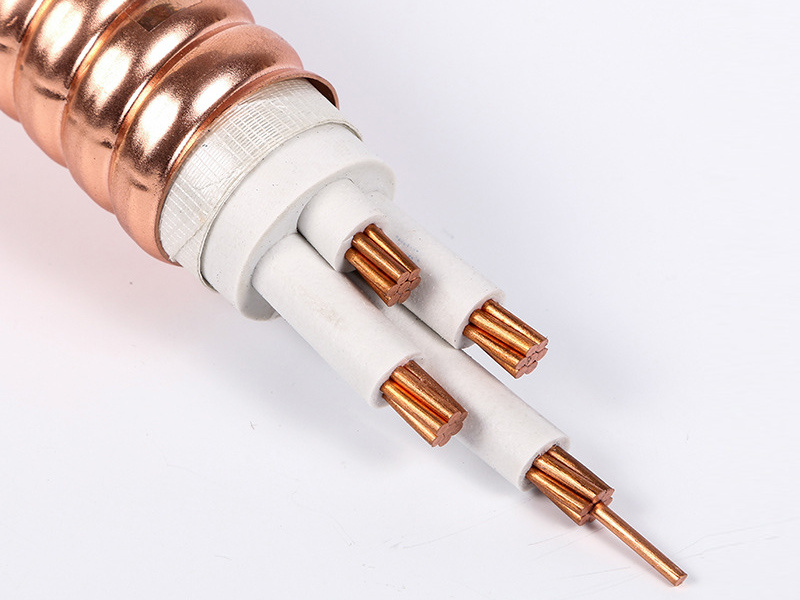
This standard is primarily based on GB/T 12706.1-2020, “Extruded Insulated Power Cables and Accessories for Rated Voltages from 1 kV (Um = 1.2 kV) to 35 kV (Um = 40.5 kV)—Part 1: Cables for Rated Voltages of 1 kV (Um = 1.2 kV) and 3 kV (Um = 3.6 kV),” as well as GB/T 19666-2019, “General Requirements for Flame‑Retardant and Fire‑Resistant Wires and Cables,” among other relevant standards. This product is intended for critical electrical engineering applications, including hazardous areas such as airports, oil depots, liquefied gas stations, chemical plants, coal mines, (nuclear) power stations, steel mills, and shipbuilding facilities; advanced and essential public infrastructure, such as satellite earth stations, railway wiring systems, alarm systems, and fire‑protection systems; and environments where the safety of persons and property must be ensured, including historic buildings, hotels and guesthouses, high‑rise structures, museums, libraries, banks, hospitals, insurance institutions, shopping malls, and research institutes.
View details
View More

Founded in 2000, Guanghui Cable is a comprehensive wire and cable enterprise integrating professional R&D, manufacturing, sales, and service.
Contact us
TEL: +86-319-5986999
TEL: +86-319-5983448
Phone: +86-15833709658
Phone: +86-18931892651
WhatsApp: 8618931892651
Email: guanghuicable@gmail.com
No. 8 Simahuilong Street, Ningjin, Hebei
