

Providing you with a one-stop, customized service for all types of cables.
2021-09-09
Primary applications of low-smoke, halogen-free cables
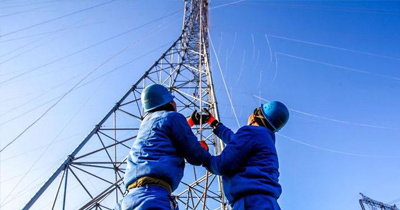
The product boasts excellent flame-retardant performance, producing minimal smoke during combustion and emitting no corrosive gases. It is widely used in nuclear power plants, subway stations, telephone exchanges, computer control centers, high-rise buildings, hotels, broadcasting and television stations, critical military facilities, oil platforms, and other locations with high concentrations of people and low air density.
2021-09-09
Strengthen control over the quality of cable raw materials to enhance cable performance.
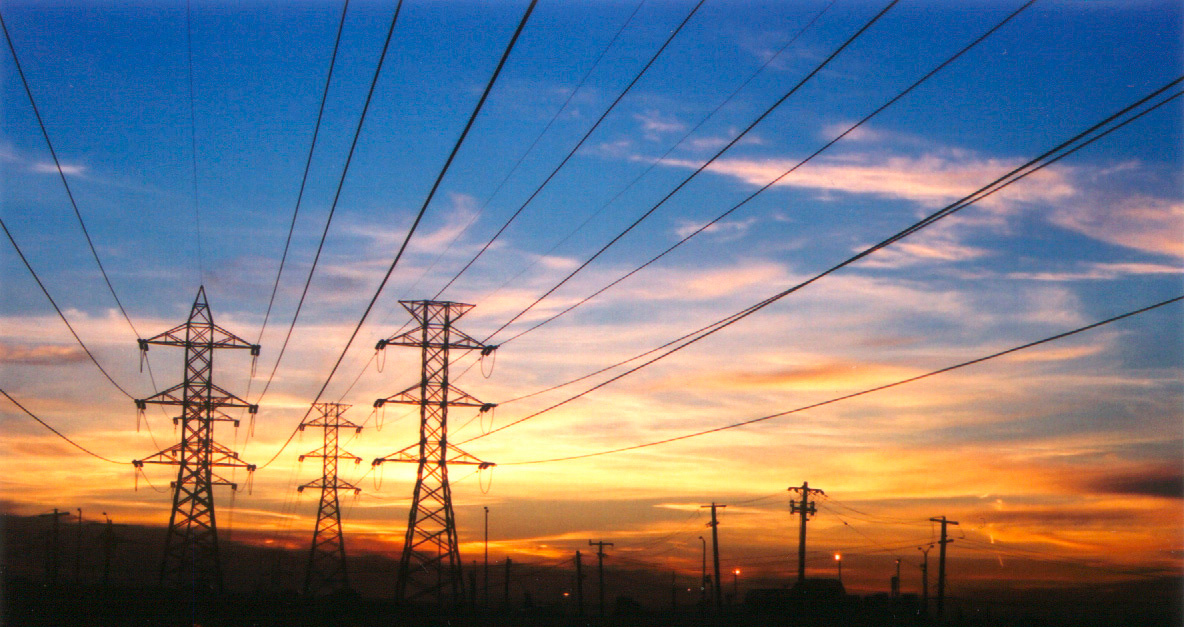
For manufacturing companies, the top priority is to strengthen quality control over the raw materials used to produce cables. Raw materials form the very foundation of any product—so if you want to ensure product quality, you must start at the source. The quality of copper conductors, aluminum conductors, and cable compounds directly determines the performance characteristics of wire and cable products.
It is recommended that companies conduct thorough testing on key properties of these raw materials when making purchases—for instance, measuring the DC resistance of copper conductors or evaluating the mechanical and dielectric strength properties of cable compounds—thus guaranteeing that the materials meet stringent quality standards. Additionally, once the raw materials arrive at the factory, the in-house quality inspection department should rigorously test them by batch to prevent the risky practice of prioritizing low costs at the expense of material quality.
2020-05-29
Primary applications of low-smoke, halogen-free cables
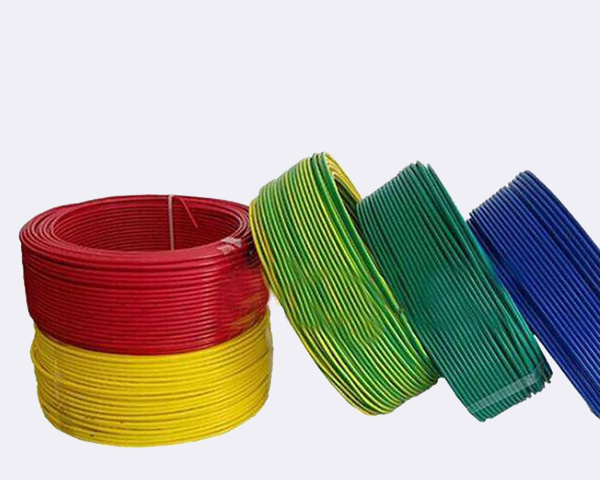
The product boasts excellent flame-retardant performance, producing minimal smoke during combustion and emitting no corrosive gases. It is widely used in nuclear power plants, subway stations, telephone exchanges, computer control centers, high-rise buildings, hotels, broadcasting and television stations, critical military facilities, oil platforms, and other locations with high concentrations of people and low air density.
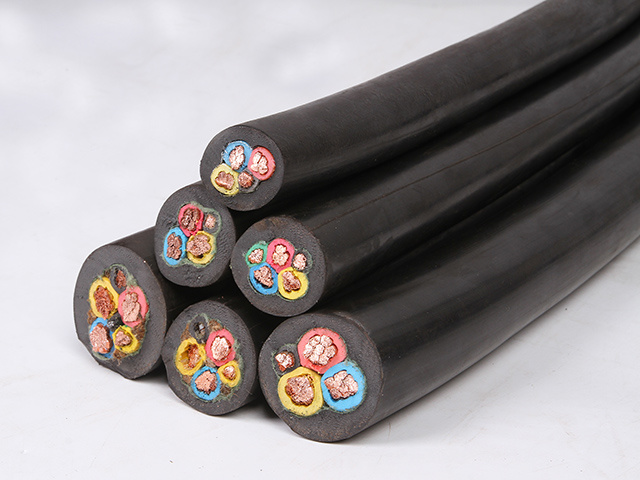
Basic Structure of Power Cables
The basic structure of a power cable consists of four main components: the conductor (core), insulation layer, shielding layer, and protective layer. The conductor is the electrically conductive part of the cable, responsible for transmitting electrical energy—and it forms the core component of the power cable. The insulation layer electrically isolates the conductor from the ground as well as from other phase conductors, ensuring efficient energy transmission. It is an indispensable part of the power cable’s design. Power cables rated 15 kV and above typically include both a conductor shielding layer and an insulation shielding layer. Finally, the protective layer serves to shield the cable from external contaminants and moisture, while also preventing direct physical damage caused by external forces.
29
2020/05

Founded in 2000, Guanghui Cable is a comprehensive wire and cable enterprise integrating professional R&D, manufacturing, sales, and service.
Contact us
TEL: +86-319-5986999
TEL: +86-319-5983448
Phone: +86-15833709658
No. 8 Simahuilong Street, Ningjin, Hebei